

Inventory
You'd buy the inventory while the margin is still there, in the quantity that actually gets you the price break, instead of forty units at a time.
THE INFINITY FUNDING BLUEPRINT
Your score is not your funding profile. Infinity looks at the whole picture a lender may actually evaluate, then builds your roadmap around it.
BUILD MY CAPITAL BLUEPRINT$500 Launch Rate. Apply for $0. Pay only after your completed Blueprint is delivered.

Start with the point of all this
Think about what you’d move on this year if the money were sitting there.
You'd buy the inventory while the margin is still there, in the quantity that actually gets you the price break, instead of forty units at a time.

You'd leave the ads running. The ones that are already working, that you switch off every time cash gets tight, which is precisely the moment you should be spending more.

You'd buy the machine instead of renting it by the month for another three years.

You'd put the van on the road.

You'd hire the person whose job you've been doing on top of your own since March, and get your evenings back.

And if you're in real estate, you'd stop letting a deal go because the materials, the marketing, the inspections and the holding costs all landed in the same two weeks.
Maybe it's $50,000 for inventory. Maybe it's $80,000 to put a second crew on the road. Maybe it's $150,000 or more.
Whatever the number is, there's a version of your file that's ready to go after it and a version that isn't, and the difference is almost never the number on the app on your phone.
Here's the part nobody says out loud.
A business funded only by its own cash can only grow as fast as its slowest customer pays.
That is not a hustle problem. You can work longer days, answer more calls, squeeze another season out of the same equipment.
So business owners go looking. At 0% business cards, lines of credit, equipment financing, vendor accounts, bank relationships.
And they're right to look. The capital is real. What most of them don't have is a way to tell which one of those actually fits their business, their expense and their file.

THE ONE EVERYBODY WANTS
Some business credit cards come with an introductory period where qualifying purchases don't accrue interest. If you're approved for a limit, that limit becomes buying power you can use now and pay back across that window without paying purchase interest on it.
Which means you can buy the inventory, the ads, the software, the supplies and the card-accepted equipment out of the card instead of out of your operating account.

Your operating cash didn't have to fund that purchase upfront. It stayed available for payroll, rent, emergencies and the expenses a card can't cover.

For a real-estate business, the same logic applies to the parts of a deal a card can actually reach. Materials. Marketing. Inspections. Legitimate business expenses around the transaction. It buys you room to keep cash available for the costs that only cash can cover, while you arrange longer-term financing for the rest.
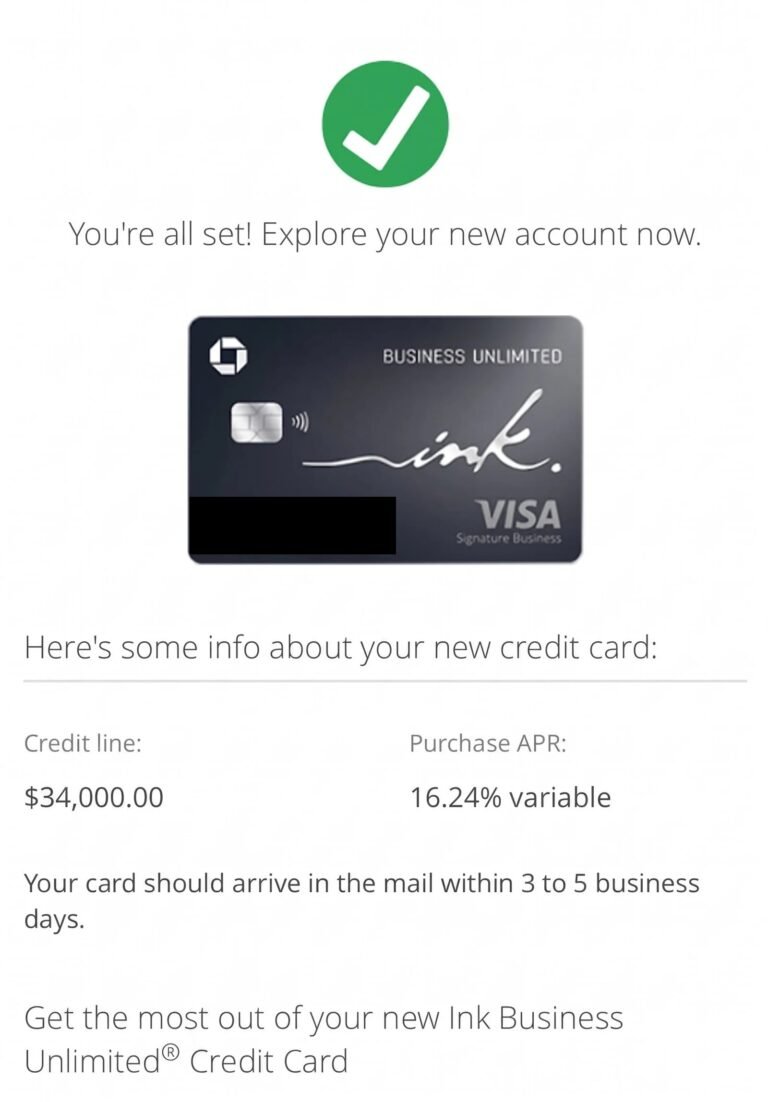
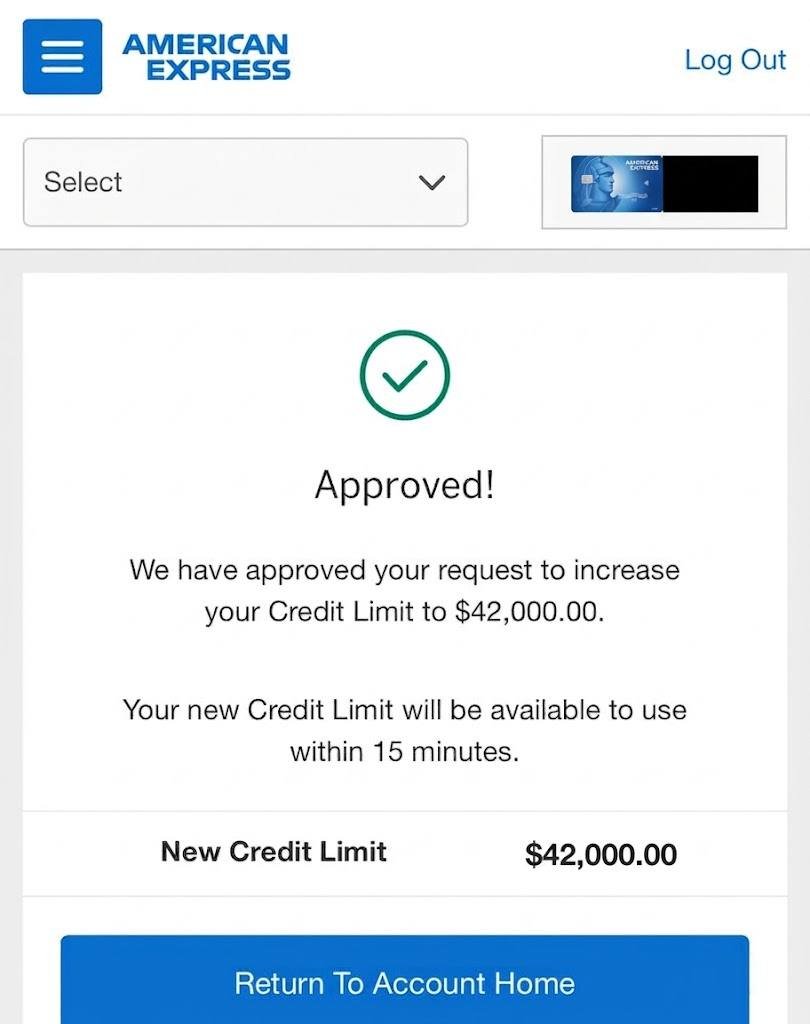
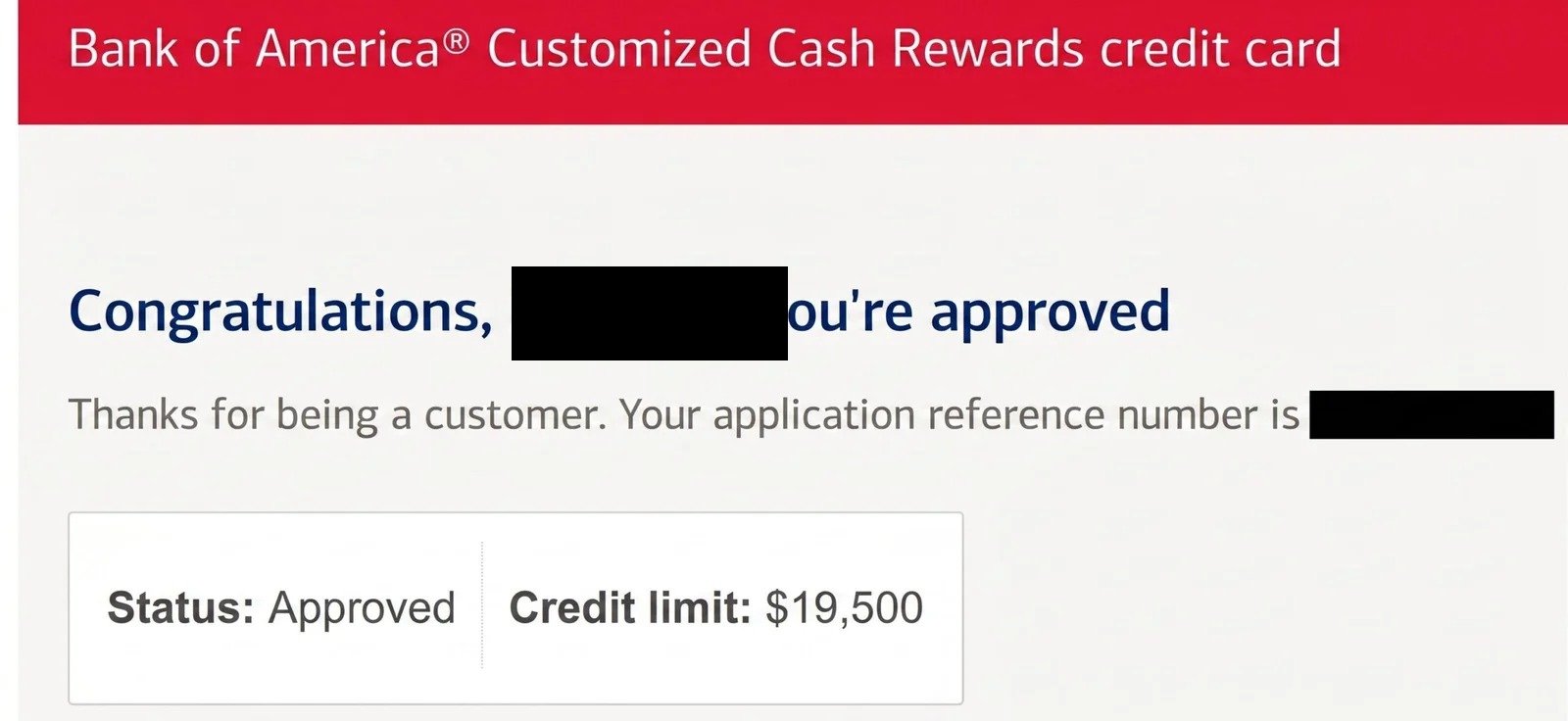
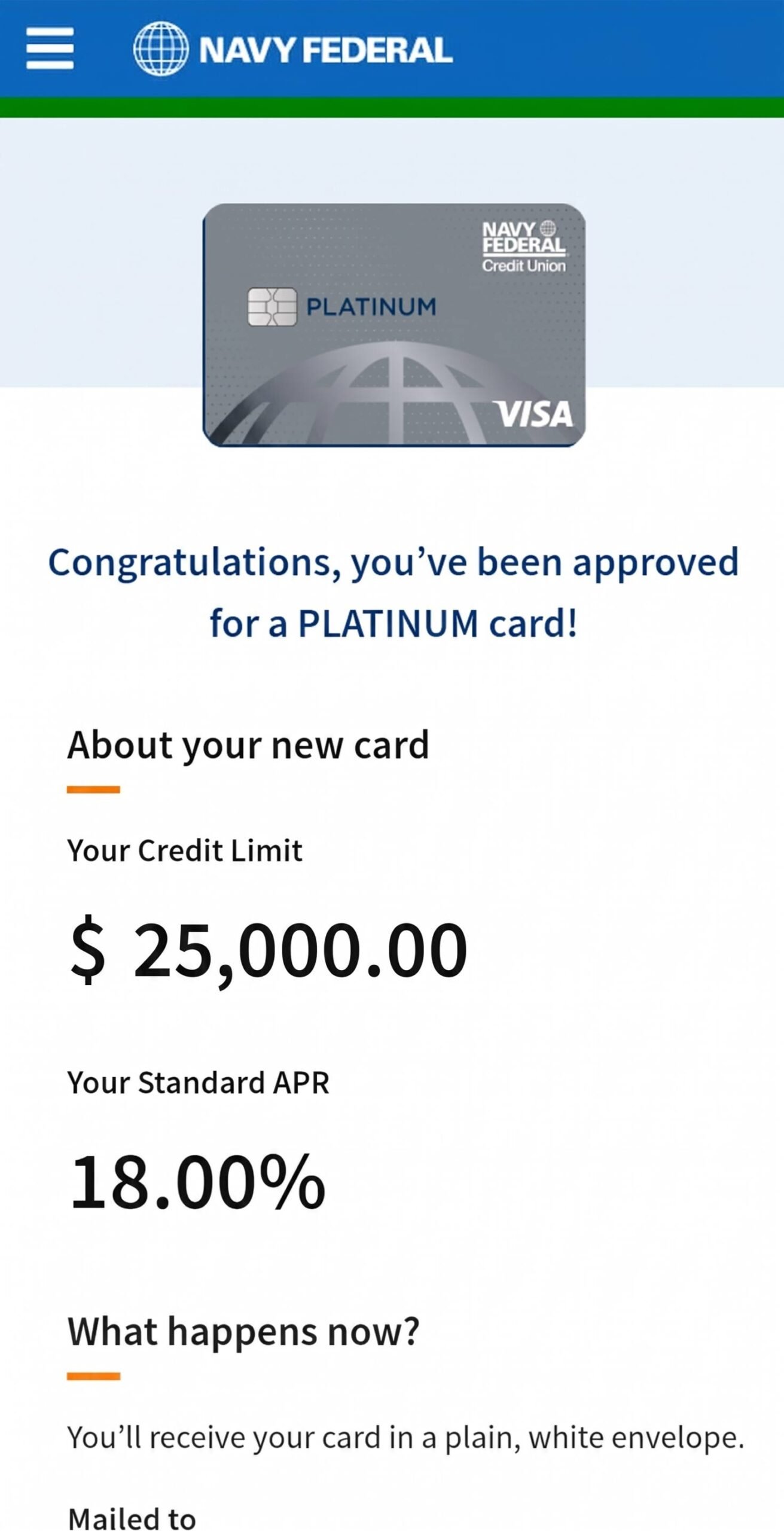
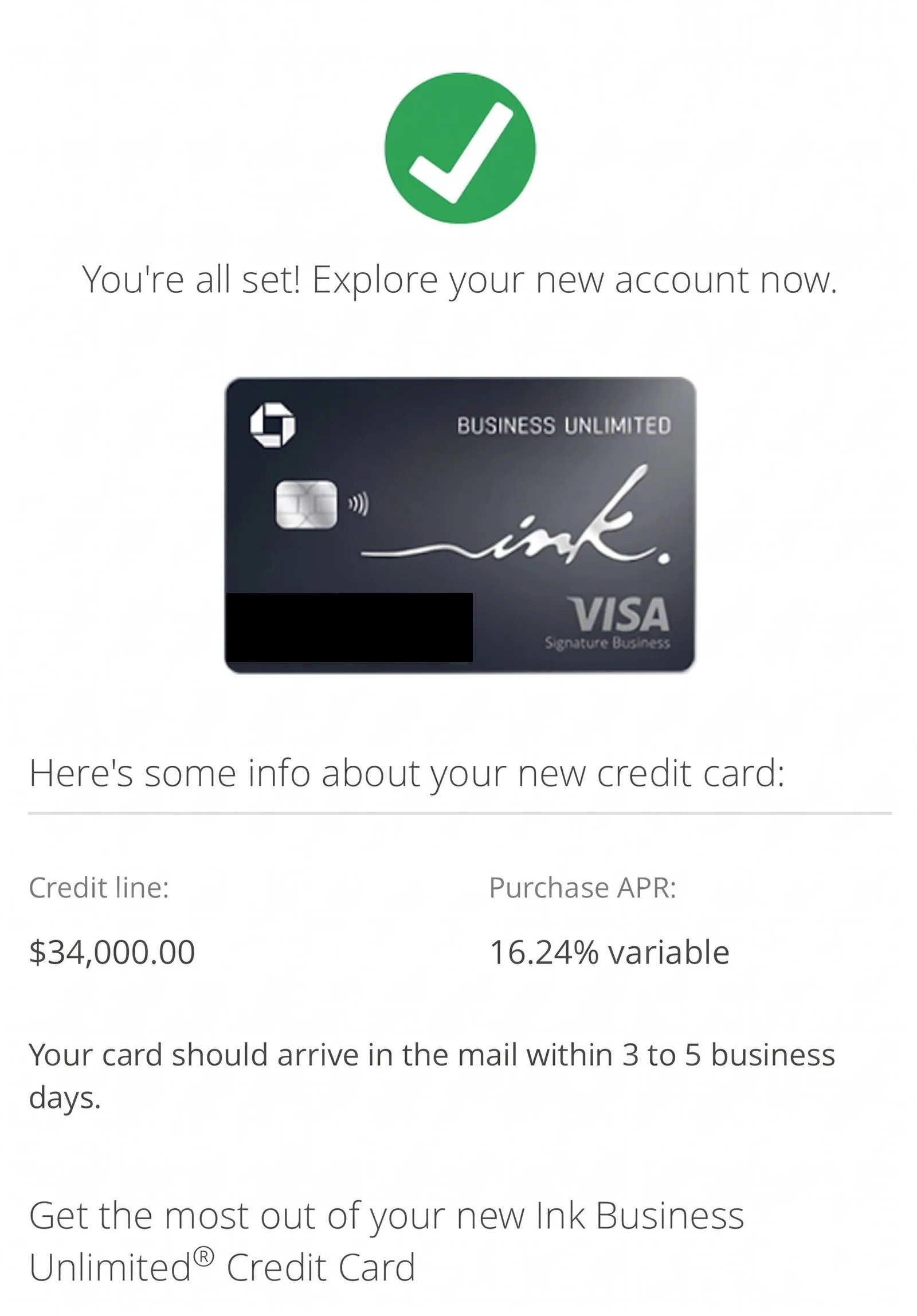
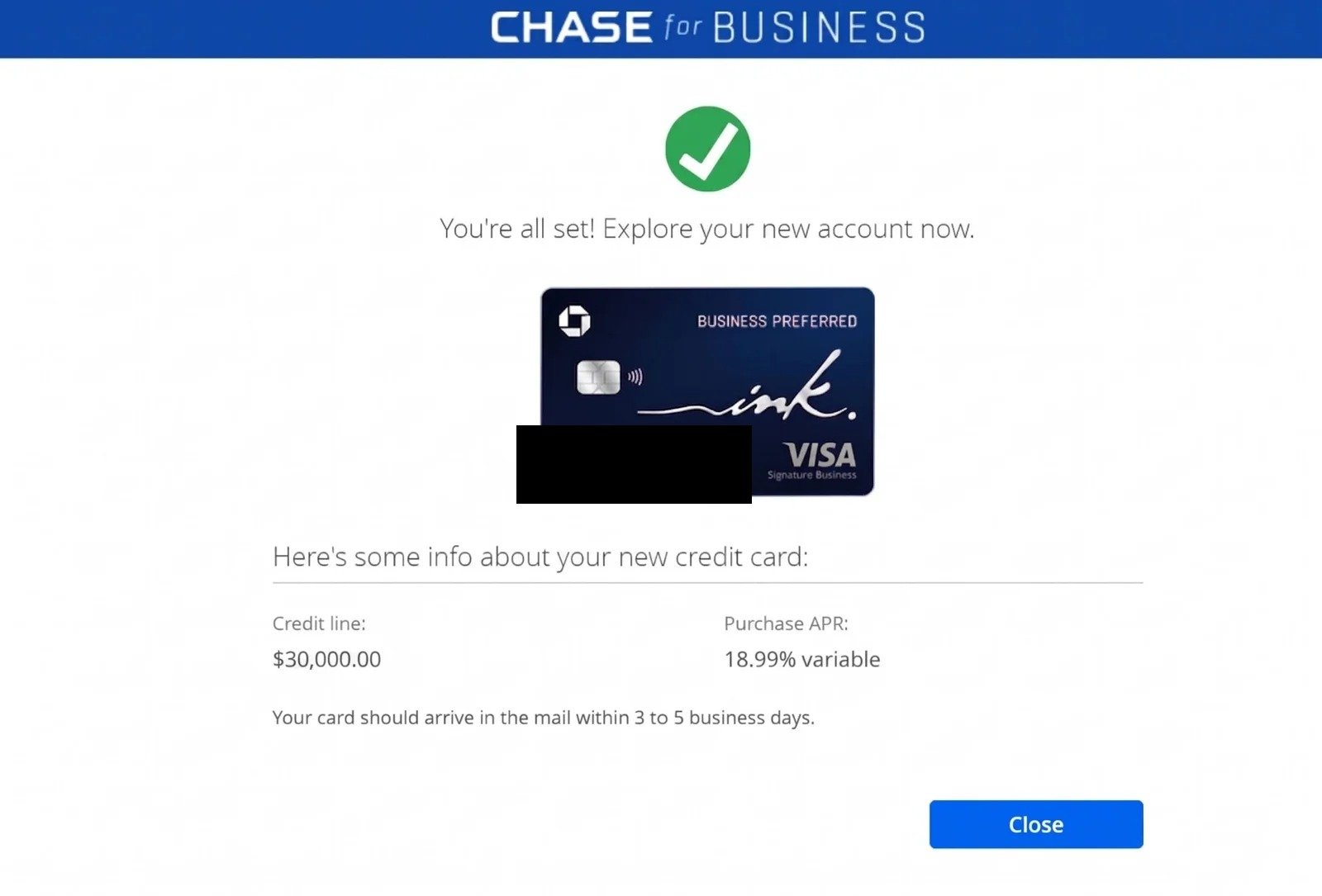
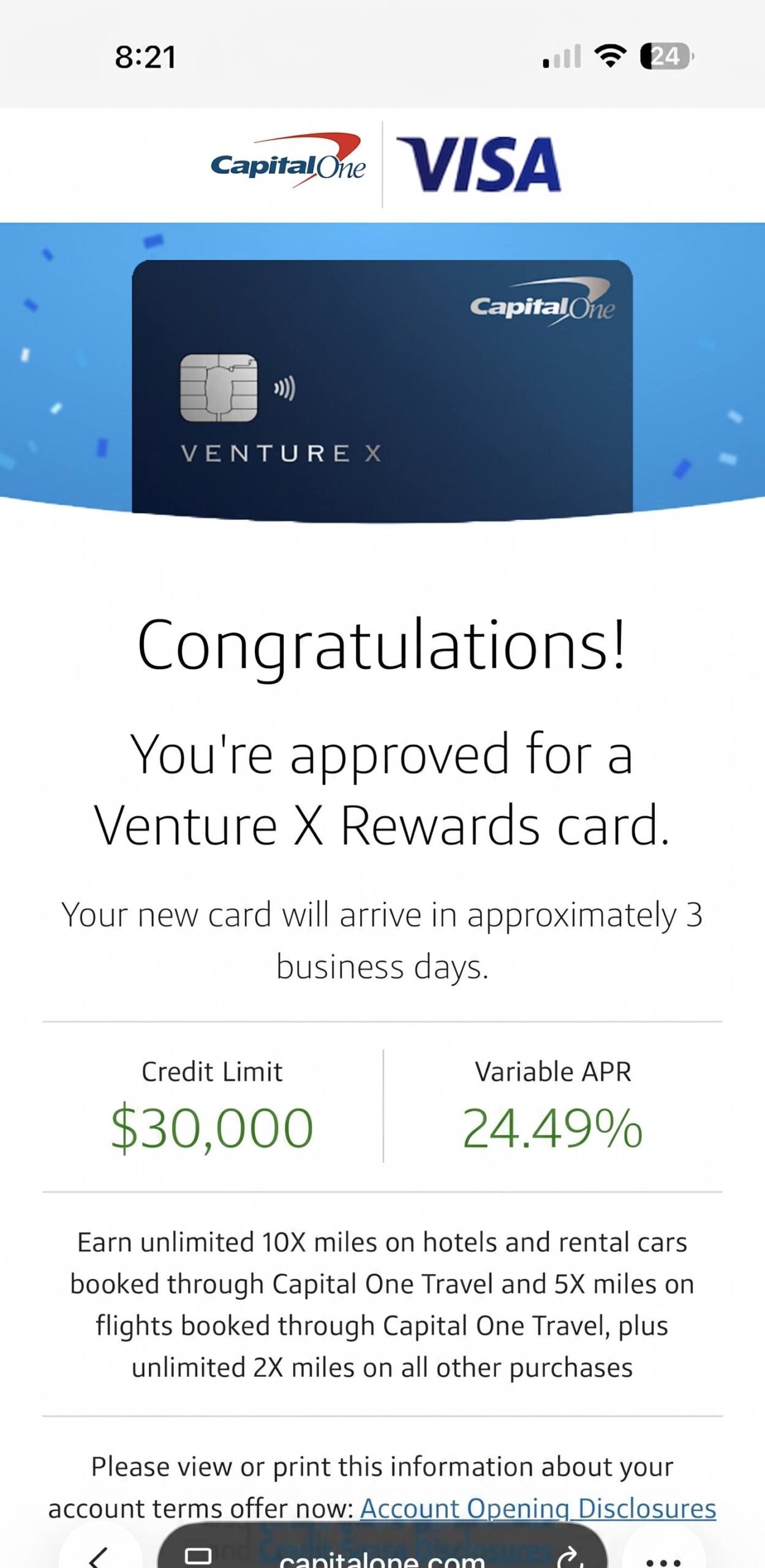
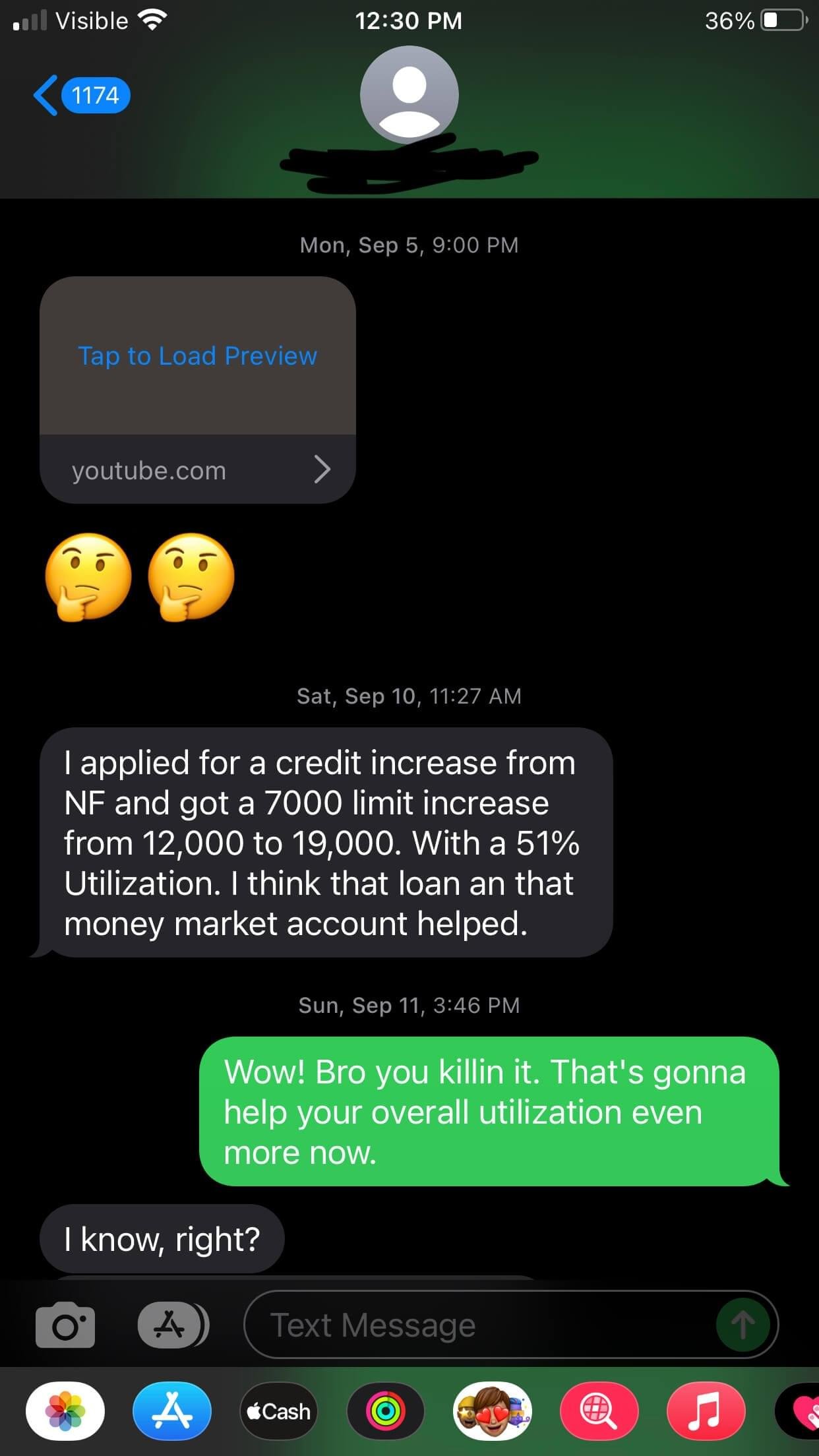
Community-shared approval. Not an Infinity result and not evidence of 0% terms.
Why the separation matters
That is not a loophole. It's how a business with a capital function operates, and most owners were simply never shown it.
And here's the part almost nobody explains

PATH A
PATH B
Illustrative. Product reporting behavior varies and is verified per product. Some business credit products do not place ordinary monthly balance activity on the owner’s consumer credit report. Others do. A personal guarantee may still exist either way, a hard inquiry may still occur, and serious delinquency can still reach the personal file.
How business spending can weaken your personal file
Watch how it usually happens.
The business needs something. The owner puts it on a personal card, because that's the card that works. Then another thing. Then a slow month. Now their personal utilization is climbing, month after month, on the exact file every future lender is going to read.
Six months later they go looking for the next round of funding and can't work out why they look weaker than they did before. They didn't get worse at business. They spent their personal profile on business expenses.
Now here's the strategic version.
Which product you're holding, therefore, is not a detail. It decides whether your business spending quietly eats your personal borrowing capacity or leaves it intact for the next opportunity.
Most people find out which one they have the next time somebody pulls their file.
What Infinity checks before 0% goes in your plan
This is exactly the kind of thing Infinity checks. Not "business cards don't report to personal," which is folklore. The actual product, the current offer terms, the guarantee, the inquiry behavior, the reporting behavior, and whether it fits what you're actually buying.
And one honest question underneath all of it, which the Blueprint makes you answer before it puts a 0% card in your plan:
How does this balance get repaid if no future approval ever arrives?
0% is a cost window, not a repayment plan
0% is a cost window, not a repayment plan. Used deliberately it's genuinely powerful capital. Used as permission to spend, it's an expensive balance with a deadline on it.
The Action Center
Infinity turns all of this complexity into a simple next-action plan.

Application, not checkout. No payment or credit reports with the application.
Why borrowed history is different
And here's the part that costs people real money: an authorized-user account is borrowed history. It is not yours. It can lift how a report looks. It does not become an account you opened, managed and carried. Underwriting can tell the difference. And if that authorized-user account ever comes off your reports, the age and the limit you were leaning on can go with it.
Primary accounts in your own name are stronger evidence of your own borrowing history. A file leaning heavily on borrowed tradelines can display a number in the 700s and still be weaker than that number suggests.
It's one model's summary of one piece of it, on one day.
What else a score cannot tell you
Think about what a score cannot tell you. It can't tell you which of your three credit reports a particular lender is going to pull. It can't tell you whether those three reports even agree. It can't tell you that your overall utilization looks fine because one card is quietly sitting at 57%. It can't tell you whether your business has the evidence a product expects. It can't tell you whether the offer you're looking at still exists on those terms.
Here's a cleaner way to see it. Two people, similar scores.
Those two files do not read the same, and they should not get the same plan.
That's the whole reason Infinity starts with all three real reports instead of one number from an app. It reads the structure underneath the score. Then it connects that structure to your business, your banking and what you're actually trying to fund.
Lesson 01 · The file underneath the score

The same person

The same person

The same person
Illustrative differences, invented only to explain separate bureau files. These are not actual reports, scores or customer data. Bureau names identify the lesson; no affiliation or endorsement.
Experian, Equifax and TransUnion each keep their own file on you. Different accounts can appear on different reports. Balances can be captured on different dates. Different lenders and products pull different bureaus, which means the only score that matters for a given application is the one that particular lender is going to look at.
Not your best one. Not the average. And a middle score is a mortgage habit, not a credit card rule.
Lesson 02 · Every application leaves a trail
The timing remains part of the story a lender reads.
The next application is a decision. So is waiting.
Illustrative route: three applications that pull the same bureau. A lender may pull one or more reports. Inquiries age; waiting does not guarantee an approval.
When you apply for credit, a lender may pull one or more of your reports. That pull is called a hard inquiry. It can remain on the report for up to two years.
Here's the part beginners get blindsided by. Several recent applications showing up on the same bureau can make you look like someone seeking a lot of new credit very quickly, which is its own kind of risk to a lender, regardless of how good the rest of your file is.
So sometimes the smartest move genuinely is to stop applying for a while and let those recent inquiries age before making the next request. That's what people mean when they say "let the bureau cool," and it is not the same thing as doing nothing. It's protecting the application that actually matters.
Infinity maps your inquiries bureau by bureau and by age, then decides which reports are rested enough to spend.
Lesson 03 · The other side of the desk
A credit score summarizes information in a report.
Your bank also sees
An account isn't a relationship. Real deposits, ordinary operating activity, average balances, how long the account has been open and how you've conducted it all contribute to the picture an institution already has of you before you ask them for anything.
Infinity maps the relationships you already have before sending you off to a stranger.
One more thing · Paper is the beginning
You’ve formed the company.
Identity. History. Activity. Evidence.
A conceptual progression, not a lender checklist or an approval promise. Requirements differ by product.
Filing the formation paperwork creates the entity. It does not get you an operating history, a business bank account with real activity in it, consistent ownership and address information across every record, a truthful and specific industry classification, or the documents a lender will ask to see.
That's not a reason to be discouraged if you're early. It's the reason a plan built only on your score will keep sending you at doors that were never going to open yet.
HOW YOUR BLUEPRINT CONNECTS THE PIECES

All three reports. The accounts behind the score: whose they are, how old, how large, how used. Per-card and overall utilization. Payment history. Anything derogatory. Inquiries by bureau and by age. Identity details that don't match across records. Where your three reports disagree with each other.
Entity status and age. Ownership and contact information. A truthful, specific industry classification. Business banking and the activity in it. Revenue evidence, tax returns, financial statements, bank statements, operating documents. What exists, what's missing, and which missing item actually matters for the path you're considering.
What you want, what you're buying, whether that expense can go on a card or needs actual cash, your business stage, current product terms, what's available where you live, the relationships you already have, the guarantee, the reporting behavior, the cost, and the repayment plan.
What to do first. What to verify. What belongs in the next ninety days and what doesn't. What to record after a decision. When to pause.
Some moves are ready for you now. You check the card’s current terms one last time before you apply.
Some are not right for your file, and you're told which fact rules them out, so you can stop wondering about them.
Some belong later, and instead of "later" you get the specific condition that opens them.
And where something genuinely can't be confirmed, it doesn't get quietly turned into a yes. It goes on a list of open questions with what it's holding up and what would settle it.
That last one matters more than it sounds. It's the difference between a missing operating agreement and a missing business. Between a product whose reporting behavior is unknown and a slogan that says business cards never report. Between this month's application and a video from eighteen months ago.
The deliverable
Infinity turns all of this complexity into a simple next-action plan.
Your next moves, in one place
The evidence and condition behind each move
Read the actual Capital Recipe at full size ↗Record what happened before deciding what comes next

Read the reasoning behind the strategy.
See the condition that opens each step.
Record what happened before deciding what comes next.
Thirteen connected chapters. When you open it, the first thing you see is your own position on a single page: where you stand, what's in the way, and the few decisions that matter most right now.
The structure behind your score: whose accounts, how seasoned, what limits, what utilization, and what that structure supports.
Where your three reports disagree, and the evidence needed to resolve it.
The relationships you already have, how deep they actually are, and where an institution may or may not fit.
The card, line, equipment, term and vendor paths that fit, don't fit, or need more evidence, and why.
The order of action, what to verify before each step, and the scheduled pauses.
What to record when an approval, a low limit or a denial comes back, and how that changes what comes next.
Your objective, your present position, and the decisions that matter first.
The name, address, employer and contact details that should line up before they travel into another application.
Legitimate report facts and profile conditions that need verification, documentation or time.
What strengthens the plan without spending an application.
Entity, ownership, industry classification and record consistency.
Business reporting, accounts, documents, and what the paths that apply to you require.
Your current position, instrument fit, existing exposure and the gap to your objective.
Explore the working tools, decision records and open questions
Inside the document you get a working layer: a prioritized action center, a hard inquiry ledger, a bank relationship tracker, an exposure ledger, decision calculators that show their arithmetic, product evidence with review dates, and a place to record every application and result.
Every meaningful move carries its reasoning with it. The facts that supported it, the condition that would change it, and what has to be rechecked before you act. Six months from now you'll still know why something is in your plan, not just that it is.
A real decision changes your file. An approval creates new exposure. A low limit changes whether the original plan still works. A denial creates an inquiry and a stated reason.
So the Blueprint has you record what actually happened, then recompute before the next move rather than running an old plan against a file that has changed underneath it. That's why it's called Infinity. Not because applications go on forever. Because every real result feeds the next decision.
Illustrative.
What we still don't know. A named list of the open questions on your file and exactly what would answer each one. Most of this market sells certainty. We'd rather hand you the honest list.
Record what happened before deciding what comes next. Actual template pages using an illustrative test file.
Read the actual pages ↗Who this fits
The plan covers what to build and in what order, including the personal foundation that the business side is eventually going to lean on.
Good. Now there's a difference between having an entity and having a business a lender can read, and the Blueprint shows you exactly what closes that gap.
Infinity can start there too. You'll get a truthful plan rather than a list of doors that aren't open yet.
This is the exact situation the Blueprint was designed to diagnose.
Then the value moves from readiness to precision: which instrument fits which expense, what you already have available and haven't drawn, what another application does to your total exposure, and which relationship to use first.
That opens comparisons that simply aren't available to a newer business, and the Blueprint runs them against your actual statements.
It fits if you have a real business objective, you want your three reports read together with your business and banking, you’re willing to verify what’s unknown instead of guessing, and you’re going to execute yourself with a clear plan.
It doesn’t fit if you want a guaranteed approval or a promised amount, you want someone to submit applications for you, you want us to contact bureaus or creditors on your behalf, or you’re planning to repay today’s balance only if another approval shows up later.
NOT READY FOR A PRIVATE BLUEPRINT YET?
Start with the free MoneyCodez Credit & Funding Playbook.
Get past the score. Understand the profile behind it, connect the credit, banking and funding pieces, and know what to investigate before your next application.
GET THE FREE PLAYBOOK →A practical starting point for a bigger capital strategy.
MONEYCODEZ ON YOUTUBE
185+ videos on credit strategy, business funding and how lenders actually evaluate a file. The same material, taught to a room instead of to you.
 Rent Reporting in 2026: Don’t Pay for One Until You Watch This
 New Rule Could Boost Your Credit Score 30+ Points
 This Popular Credit Advice Will Get You Denied by the Banks
 Chase Pledges $80 Billion: Why Most Won’t See a Dollar
 Debunking 850 Credit Score “Hacks” from the “Gurus”
 Trump Wants to Cap Credit Card Interest at 10%
 You’re Checking the Wrong Credit Score
 Why Your Credit Score Drops When You Apply
REAL AUDIENCE REACTIONS
Sourced comments on MoneyCodez educational videos. These are audience reactions, not Infinity funding outcomes.

I love the subject and the detail that you give to your audience ❤️

This was good. Comprehensive. Thank you

Great explaining the importance of what the customer is signing up for.

Excellent, clear, and thorough breakdown of this topic. Good to have you back posting regularly on YouTube. Your perspectives are valuable and appreciated. Thank you, sir.

I truly appreciate the Nuggets you give 🫶🏾🫶🏾🫶🏾
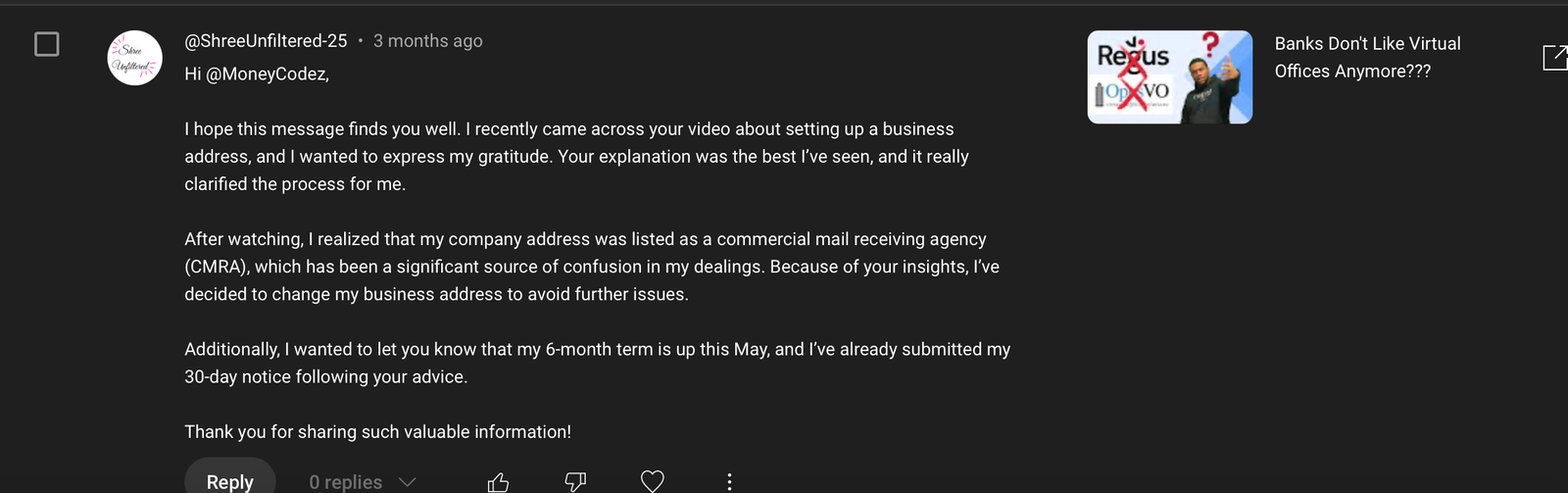
Your explanation was the best I’ve seen, and it really clarified the process for me. Thank you for sharing such valuable information!
Please confirm you want to block this member.
You will no longer be able to:
Please note: This action will also remove this member from your connections and send a report to the site admin. Please allow a few minutes for this process to complete.
